



Helpful information ...

Moxy Web - Transactional Email in Ecommerce: What to Edit First
24.08.2026

Transactional Email in Ecommerce: What to Edit First

Create effective transactional emails for your e-commerce store. Check key settings and fast responsiveness for a better customer experience.

Transactional Email in E-Commerce: What to Fix First

Transactional emails are automated messages customers expect immediately after a specific action in your store. An order confirmation, a shipping notification, a password reset. If any of these messages arrive late or land in spam, the customer doesn't think "technical glitch" — they start doubting you.

Before reading further, fix three things. First, check the SPF, DKIM, and DMARC records for your domain. Second, make sure your store triggers emails within seconds of an event, not hours later. Third, review your message templates: it should be immediately clear what happened, with no aggressive promotions burying the point.

  • Check your SPF/DKIM/DMARC records (free tools like MXToolbox do this in a minute).
  • Ensure immediate triggers from your store, not batched sending once an hour.
  • Review every template: one primary purpose, minimal promotion, a clear support contact.

If you want a quick health check, take ten minutes and review the e-commerce integrations your store uses.

Key Takeaways

Reliable transactional email in e-commerce requires proper domain authentication, immediate triggers, and templates where the primary purpose stays clearly separated from promotions.

Point Details
Check authentication Set up and regularly check SPF, DKIM, and DMARC records for your sending domain.
Separate sending streams Send transactional email separately from marketing email, ideally on a separate IP.
Trigger immediately Order confirmations and password resets need to go out within seconds of the event.
Limit promotion Promotional content should take up at most 20 to 30 percent of the message, visually separated.
Track three metrics Check delivery rate, bounce rate, and time-to-send weekly.

Table of Contents

Which Types of Transactional Email Does Your Store Send?

Every store sends a series of messages that customers expect at specific steps of a purchase. The difference between a good message and a bad one isn't the graphics — it's whether it contains the right information at the right moment.

  1. Order confirmation. Triggered immediately after payment. It needs to include the order number, a price breakdown (products, shipping, tax), the delivery address, and a link for help.
  2. Payment receipt. Separate from the order confirmation when payment happens through an external provider with a delay (e.g., a bank transfer). Includes the amount, payment method, and processing date.
  3. Shipping notification. Triggered once the delivery system confirms pickup of the package. The key elements are a tracking link and an estimated delivery date, not a generic "arriving soon."
  4. Password reset. Requires the highest level of technical reliability, because any delay means a frustrated customer who can't complete their purchase.
  5. Return or complaint notification. Confirms receipt of the request, states the next steps, and gives an expected refund processing time.

Order confirmation and shipping notification should be separate messages, since they arrive at different moments and the customer reads them for different reasons. Combining them causes confusion, since one goes out immediately and the other only once the order ships.

By convention, transactional messages don't need a mandatory unsubscribe link, since they're expected communication that the customer themselves triggered by making a purchase. An unsubscribe option only becomes necessary if the promotional content within the message exceeds its transactional purpose.

SPF, DKIM, DMARC, and Choosing Between SMTP and API

The technical foundation determines whether a message lands in the inbox or in spam. Three records work together, each verifying a different aspect of the sender's authenticity.

  • SPF tells recipient servers which servers are allowed to send email on behalf of your domain.
  • DKIM digitally signs the message, so the recipient can verify the content wasn't altered in transit.
  • DMARC defines what happens if a message fails SPF or DKIM checks, and sends reports on abuse.

Properly configuring all three records is a basic requirement for sender authenticity. Without them, email is more likely to be rejected or land in the spam folder, no matter how nice the template looks.

For sending itself, you have two paths. SMTP is a simpler protocol, suitable for small stores with low message volume. API sending is faster, returns detailed telemetry (whether a message was delivered, opened, clicked), and connects more easily to your store system in real time. For a store sending more than a few hundred transactional messages a day, API is almost always the better choice.

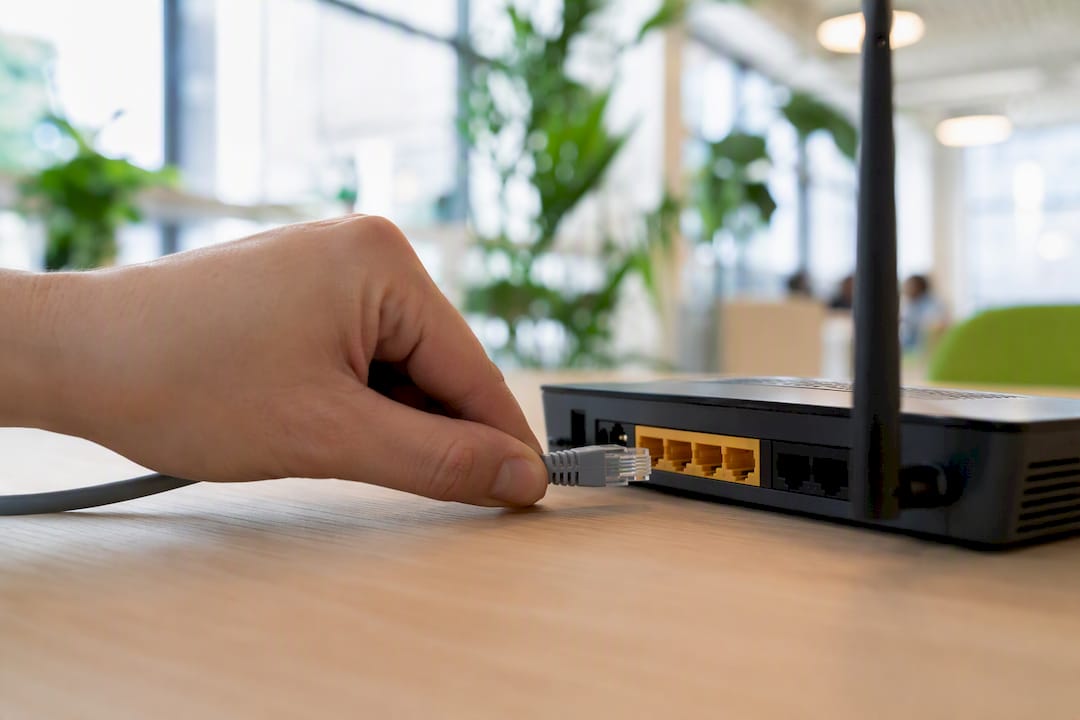
A hand connecting a network cable to a router

As volume grows, consider a dedicated IP, separate from your marketing campaigns. Separating transactional and marketing sending streams reduces the risk that one campaign's poor reputation sinks the deliverability of critical messages, like password resets.

Expert tip: Before switching email providers, check whether the new system supports separate streams (transactional vs. marketing) in its basic setup. Adding this later means reconfiguring your DNS records.

How to Write Content That Doesn't Break the Primary Purpose Rule

The subject line needs to say immediately what happened: "Order #10234 confirmed" works better than a generic "Thank you for your purchase." The preview line should repeat the order number and status, since many users see it right in their inbox preview, before they even open the message.

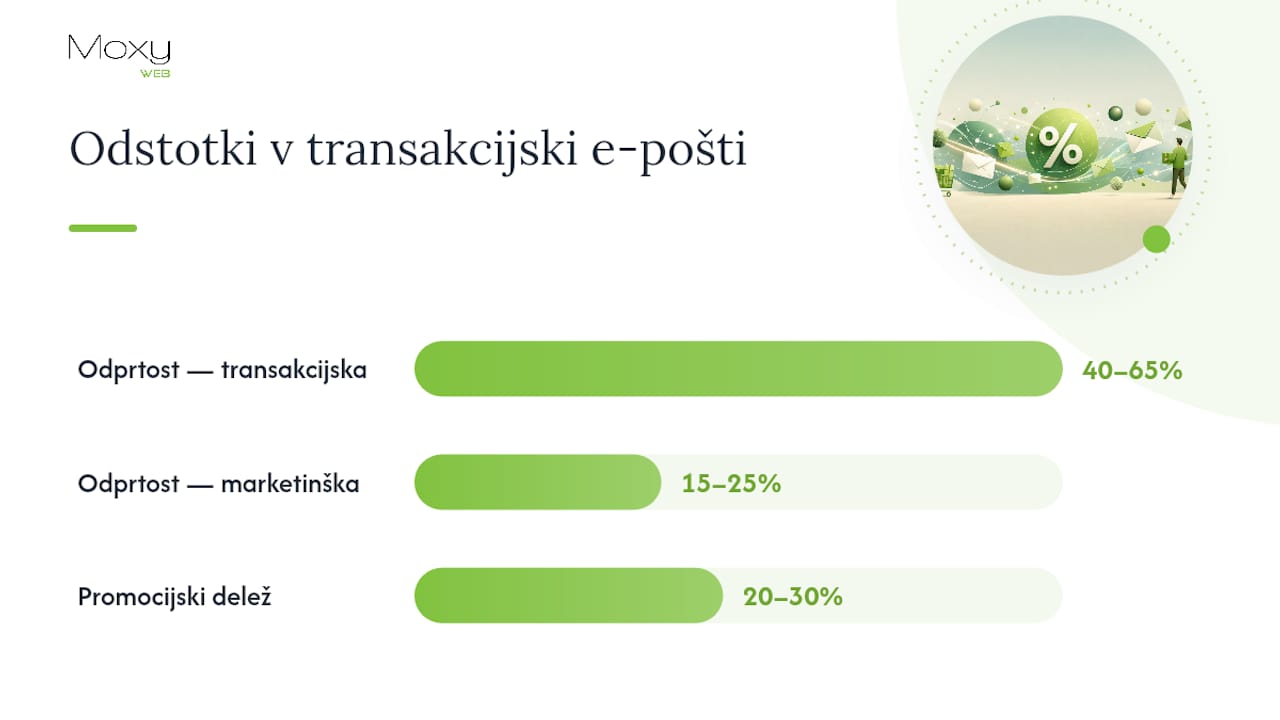
How to write content that doesn't break the primary purpose rule — overview diagram

Transactional messages achieve significantly higher open rates than standard marketing email, roughly between 40 and 65 percent, while marketing messages typically fall between 15 and 25 percent. This difference is exactly why transactional messages deserve extra attention in their design, not just in delivery mechanics.

This doesn't mean you can turn an order confirmation into a product catalog. A good rule is that promotional content should take up no more than 20 to 30 percent of the message's space and should be visually separated from the primary purpose — for example, in a distinct block below a divider line or in its own separate paragraph.

  • The primary purpose (confirmation, status, order details) needs to sit above the promotional part, never mixed in with it.
  • Keep the promotion to one offer, not five competing ones.
  • Personalization (name, past purchases, recommendations) only helps if the data is accurate. A wrongly displayed product or an incorrect name undermines trust faster than a generic message would.

An example of good upselling in an order confirmation: below the price breakdown, add one "you might also like" block featuring one or two products related to the purchased item, without pop-ups or large banners.

Templates That Actually Reduce Support Volume

A well-built order confirmation doesn't just serve as proof of purchase — it heads off questions the customer would otherwise send to support.

  1. A header with a clear status. Store name, order number, date, and status ("confirmed," "processing").
  2. An order breakdown. Each product with a photo, price, quantity, and a separate line for shipping and tax.
  3. Delivery address and payment method. The customer needs to be able to verify their address is correct within seconds.
  4. Expected timeframe. An estimated delivery date or processing window, even if a tracking link isn't yet available.
  5. A help block. A link to a support center, not just a general email address that increases response time.
  6. A single promotional block (optional), separated from the rest of the content by a visual divider.

Order confirmations reach open rates as high as 65 percent, making them one of the most-read messages in the entire customer relationship. Every piece of information you include up front (where's my package, how do I return an item, who do I contact) is one fewer question for your support team.

The footer should always include a link to FAQs about shipping and returns. This small addition often reduces repeat questions more than any change to the main body text.

How to Connect Your Store, CRM, and Sending System

The integration method depends on the platform your store runs on. For Shopify and WooCommerce, ready-made plugins exist that connect order events to a transactional email provider within minutes. For custom-coded stores or more complex requirements, you'll need an API connector, which allows more precise control over the data in the message.

  • Plugins are quick to install, but offer less control over content and trigger timing.
  • API integrations require development work, but allow for custom triggers, conditional content, and better telemetry.
  • Webhooks connect your store to a CRM or ERP system, so order status data syncs in real time, not with a delay.

Automated triggers need to fire within seconds of the event. A delay in a password reset or order confirmation directly increases support call volume, because the customer doesn't know whether their action succeeded.

Before launching a new integration, always test the entire flow in a test environment, from the triggering event to receiving the message, and have a rollback plan ready to revert to the previous configuration if something breaks. You can find more on practical integration approaches in this overview of integrating an online store with delivery.

Which Metrics You Need to Track Every Week?

Transactional email requires a different set of metrics than marketing campaigns, because the goal here is reliability, not conversion.

  • Delivery rate — the share of messages that actually land in the inbox, not spam.
  • Open rate — for order confirmations, expect high values; a sudden drop points to a deliverability issue, not a content issue.
  • Bounce rate — permanently bounced addresses should be regularly cleaned from your list.
  • Spam complaints — even a small share can damage your domain's reputation.
  • Time-to-send — how many seconds pass between the event in the store and the message going out.

Set up an alert that triggers when bounce rate rises above its normal level, or when your support team suddenly gets more questions about missing confirmations. This is often the first sign that something in the sending chain is broken.

When there's an issue, first check your DNS records, then the sending provider's logs, and finally your sending pattern (a sudden spike in volume can trigger rate limits on the recipient's server).

Expert tip: Run a weekly review of three numbers: delivery rate, bounce rate, and time-to-send. If all three stay stable, the system is healthy, even if other indicators shift.

Ten Steps for Immediate Implementation

Before launching a new store, or after migrating to a new system, run through this checklist in one sitting.

  • Check and, if needed, fix the SPF record for your sending domain.
  • Set up DKIM signing with your email provider.
  • Enable a DMARC policy and monitor reports for the first few weeks.
  • Separate your transactional email stream from marketing, ideally on a separate subdomain.
  • Verify that order confirmations trigger within seconds of payment.
  • Review every template for clarity of primary purpose and limited promotion.
  • Test password reset from start to finish, including link validity.
  • Verify that shipping notifications include a working tracking link.
  • Set up alerts for bounce rate and sudden spikes in support requests.
  • Decide who on the team reviews deliverability metrics each week.

At Moxy-web, we connect the technical setup (DNS, API connections) with template design into a single project, tested in a production environment, not just in theory. If your store already uses an external CRM or ERP, also check out this guide to integrating business systems, which covers syncing data between systems.

When this checklist reveals a gap beyond your team's internal expertise (for example, complex webhook logic or migrating to API-based sending), it's worth seeking development support before the problem becomes visible to customers.

Why Technical Discipline Matters More Than Nice Design

Many stores spend hours designing their order confirmation, only to overlook that the message lands in spam because of a missing DKIM record. That's a misplaced priority. A beautiful template doesn't help a customer who never sees the message.

Conventional advice about transactional email often focuses on content, because content is visible and easy to show off as an example. The technical side is invisible until it fails, and by then the damage is already done, since the customer has already contacted support or even requested a refund.

My recommendation: fix authentication and triggers first, then optimize the copy and design. A store with a basic template and flawless technical delivery will perform better in the long run than a store with a stunning design that loses half its messages along the way. Reliability is the foundation you need before it makes sense to build a nicer experience on top.

Sources

Frequently Asked Questions

What is transactional email in e-commerce?

Transactional emails are automated messages triggered by a customer action, such as an order confirmation, a shipping notification, or a password reset, and they differ from marketing campaigns in that the customer expects them and they're sent individually.

No — since it's expected communication that the customer themselves triggered by making a purchase, an unsubscribe option isn't required unless the promotional content in the message exceeds its transactional purpose.

What's the difference between SMTP and API sending?

SMTP is a simpler protocol suited to low volume, while API offers faster delivery and detailed telemetry on opens and clicks, making it the better choice for growing stores.

Why does it matter to separate transactional from marketing email?

Separating the streams prevents a marketing campaign's poor reputation from harming the deliverability of critical messages, such as order confirmations or password resets.

How much promotional content can I include in an order confirmation?

The recommended limit is 20 to 30 percent of the message's space, and the promotion needs to be visually separated from the message's primary purpose, for example below a divider line.

Moxy Web - Example of a user portal for companies
The user portal example shows how a company can offer customers faster service, clearer data, and less manual coordination in a secure environment.
Moxy Web - WAF for Web Applications: How It Works and When You Need It
Discover how WAF for web applications protects against attacks and mitigates risks like SQL injection and DDoS. Protect your application!
Moxy Web - The best portal features for efficient work
The best portal features connect users, processes, and data into a transparent solution that saves time, reduces errors, and supports long-term business growth.
Archive
25. 8. 2026
Example of a user portal for companies
25. 8. 2026
WAF for Web Applications: How It Works and When You Need It
24. 8. 2026
The best portal features for efficient work
24. 8. 2026
Transactional Email in Ecommerce: What to Edit First
23. 8. 2026
Web analytics for better business decisions
23. 8. 2026
Why data is important when building a website
22. 8. 2026
Elements of trust of the decision-making party
22. 8. 2026
User Interface Easy Management Guide
21. 8. 2026
Website data security without the guesswork
21. 8. 2026
What are security protocols for websites and applications?
20. 8. 2026
How to speed up a page without losing functionality
20. 8. 2026
What is user experience and why does management decide about it?
19. 8. 2026
The future of custom development for companies today
19. 8. 2026
Why data backups are important for every business
18. 8. 2026
Best practices for mobile user experience
18. 8. 2026
What is digital transformation and why is it important for businesses?
17. 8. 2026
How to design an administrative user interface
17. 8. 2026
Why SEO is important for marketers and businesses
16. 8. 2026
Optimizing inquiry forms for multiple customers
16. 8. 2026
Page Load Speed: A Business Guide for Decision Makers
15. 8. 2026
Example of a sales-oriented website redesign
15. 8. 2026
SPA or MPA: which architecture suits your project?
14. 8. 2026
Key elements of an effective product page
14. 8. 2026
Mobile first approach: a guide for developers and site owners
13. 8. 2026
UX design for companies with a clear goal
13. 8. 2026
Online advertising for entrepreneurs and marketers in Slovenia
12. 8. 2026
Mobile-friendly business website sales
12. 8. 2026
UX research: what it is and how to conduct it step by step
11. 8. 2026
Best online ordering solutions in practice
11. 8. 2026
Microservices Architecture: An In-Depth Explanation and Decision Guide
10. 8. 2026
How to connect external systems: a practical guide for businesses
10. 8. 2026
Why do I need SSL on my website?
10. 8. 2026
How to edit a multilingual website for foreign markets
9. 8. 2026
What does unique website design mean for businesses?
8. 8. 2026
Online Backup Guide for Businesses
8. 8. 2026
The role of mobile adaptability for businesses in Slovenia
7. 8. 2026
An example of reducing abandoned online shopping carts
7. 8. 2026
Stripe vs PayPal for a Slovenian company: which one to choose?
6. 8. 2026
A guide to revamping your online store without the guesswork
6. 8. 2026
WooCommerce vs Shopify: Which Platform is Right for You?
5. 8. 2026
Dedicated hosting or shared hosting?
5. 8. 2026
What is an SSL certificate and why does your website absolutely need one?
4. 8. 2026
The most important features of a business website
4. 8. 2026
External Systems Integration Guide for Enterprises
3. 8. 2026
Rental platform or your own store for growth?
3. 8. 2026
The best website building tools for businesses
2. 8. 2026
What does monthly website maintenance include?
2. 8. 2026
Business app feature list: top 20 by priority
1. 8. 2026
How to arrange secure website hosting
1. 8. 2026
Types of Hosting for Businesses: A Practical Guide 2026
31. 7. 2026
Project Technical Specification Guide
31. 7. 2026
Website design for companies in Slovenia
30. 7. 2026
Best integrations for online business
30. 7. 2026
Price of website development in Slovenia 2026
29. 7. 2026
How to prepare web application functionalities
29. 7. 2026
Websites for businesses: a guide to making the right decision
28. 7. 2026
Hiring an agency or a freelancer - what to choose?
28. 7. 2026
Editing Websites with WordPress: A Guide 2026
27. 7. 2026
Business Hosting Review for Enterprises
27. 7. 2026
Independent website creation for beginners
26. 7. 2026
The best CMS for business growth is not always the same
26. 7. 2026
Steps to improve website user experience
25. 7. 2026
Manage inventory in your online store without the guesswork
25. 7. 2026
Why automate processes in your company?
24. 7. 2026
When to choose a custom store design?
24. 7. 2026
Benefits of freelance content editing for businesses
23. 7. 2026
Trends in the development of online stores in 2026
23. 7. 2026
Domain Registration Guide: Step by Step
22. 7. 2026
Development of web portals that support growth
22. 7. 2026
What is data security and how to protect data
21. 7. 2026
Custom development or Shopify: what to choose?
21. 7. 2026
The role of analytics in the development of strategic HR management
20. 7. 2026
A guide to developing a custom web application
20. 7. 2026
Digital Presence: Key Steps for Businesses in 2026
19. 7. 2026
A company's digital strategy that brings business
19. 7. 2026
Website Redesign: A Guide for Entrepreneurs 2026
18. 7. 2026
B2B portal that simplifies ordering for customers
18. 7. 2026
Creating a WordPress website for businesses: a guide 2026
17. 7. 2026
How much does it cost to maintain a store per month?
17. 7. 2026
The role of technological innovation for business competitiveness
16. 7. 2026
Custom CMS or WordPress for business growth
16. 7. 2026
List of CMS Platforms for Enterprise: A Guide for Managers 2026
15. 7. 2026
How to choose a web developer without making costly mistakes
15. 7. 2026
Why professional hosting determines the success of a website
14. 7. 2026
WordPress or a custom website for growth?
14. 7. 2026
Examples of modern design: inspiration for projects 2026
13. 7. 2026
Website integration with CRM without losing leads
13. 7. 2026
What is content strategy: a guide for businesses
12. 7. 2026
Example of revamping an outdated website
12. 7. 2026
Benefits of Responsive Design for Businesses in 2026
11. 7. 2026
User experience personalization trends
11. 7. 2026
How to plan your company's digital transformation in 2026
10. 7. 2026
Web application or Excel - what to choose?
10. 7. 2026
Why content management is key to your success
9. 7. 2026
An example of a successful B2B online store
9. 7. 2026
The role of external systems integration in business
8. 7. 2026
Best practices for product filters
8. 7. 2026
The process of creating a graphic image: a guide for 2026
7. 7. 2026
When does a company need a website redesign?
7. 7. 2026
Why use API integrations in business?
6. 7. 2026
Trends in business web systems security
6. 7. 2026
Why user analytics is important for growth
5. 7. 2026
Business online security without empty promises
5. 7. 2026
How to Set Up Hosting for a Business: Guide 2026
4. 7. 2026
Evaluation of CMS solutions for businesses without fogging
4. 7. 2026
What is Graphic Design: A Guide for Businesses 2026
3. 7. 2026
Hire an agency or develop in-house?
3. 7. 2026
What is a domain and why every business needs one
2. 7. 2026
Why a business needs a web application
2. 7. 2026
Why security updates are important in 2026
1. 7. 2026
Content strategy for a business page
1. 7. 2026
Top 4 agency alternatives for novisplet.com 2026
30. 6. 2026
Does a company need its own CMS?
30. 6. 2026
What is Modern Design: A Guide for Businesses 2026
29. 6. 2026
How to choose the right domain for your business
29. 6. 2026
What is a corporate visual identity: a guide for 2026
28. 6. 2026
Overview of online commerce platforms
28. 6. 2026
How to Design Responsive Websites: A 2026 Guide
27. 6. 2026
How to choose an online store structure
27. 6. 2026
Marketing checklist for a company's digital presence
26. 6. 2026
Best features for a B2B portal
26. 6. 2026
What is User Experience Personalization: A Guide 2026
25. 6. 2026
Shopify or custom store?
25. 6. 2026
Digital Strategy Creation Workflow: Guide 2026
24. 6. 2026
What does custom development mean in practice?
24. 6. 2026
How technical support works: a guide for entrepreneurs
23. 6. 2026
What are design standards: a guide for businesses
23. 6. 2026
How long does it take to create a store?
22. 6. 2026
How to prepare a brief for a website
22. 6. 2026
UX Design Best Practices for Digital Professionals
21. 6. 2026
Business Systems Integration Guide
21. 6. 2026
Workflow for digital company presentation: guide 2026
20. 6. 2026
Best solutions for content editing
20. 6. 2026
Why choose custom development for your business?
19. 6. 2026
Landing page design that sells
19. 6. 2026
Tips for easily managing content in your company
18. 6. 2026
Purchase funnel optimization that sells
18. 6. 2026
Top 6 alternatives to moxy-designs.com in 2026
17. 6. 2026
Top mistakes in website redesign
17. 6. 2026
Top 6 alternatives to mojaspletka.si agencies 2026
16. 6. 2026
What is included in web hosting?
16. 6. 2026
Benefits of scalable applications for growing businesses
15. 6. 2026
Responsive website design without compromise
15. 6. 2026
The Role of Digital Presence for Business Growth 2026
14. 6. 2026
The Role of Automation in Business: A Guide to 2026
14. 6. 2026
Website user experience counts
13. 6. 2026
Tips for improving your digital presence in 2026
13. 6. 2026
How to prepare content for a website
12. 6. 2026
What is website accessibility: a guide for entrepreneurs
12. 6. 2026
Website maintenance for businesses
11. 6. 2026
Benefits of the Modular Web for Businesses in 2026
11. 6. 2026
Trouble-free maintenance of online systems
10. 6. 2026
Step by step: creating a portal for entrepreneurs
10. 6. 2026
A B2B online store that really accelerates sales
9. 6. 2026
The role of digital strategy for business growth in 2026
9. 6. 2026
Managing website content without chaos
8. 6. 2026
What is an e-commerce platform: a guide for businesses 2026
8. 6. 2026
How to connect an online store to ERP
7. 6. 2026
The Role of Fast Page Loading for Entrepreneurs 2026
7. 6. 2026
Guide to redesigning your business website
6. 6. 2026
Content Editing Steps: A Guide for Businesses 2026
6. 6. 2026
How to improve website conversions
5. 6. 2026
Why use an SSL certificate for a secure website?
5. 6. 2026
A booking system that really saves time
4. 6. 2026
The Role of SEO for Businesses: Growth Strategy 2026
4. 6. 2026
How long does it take to develop a web application?
3. 6. 2026
Web Application Development Guide 2026
3. 6. 2026
Payment system integration for online stores
2. 6. 2026
The Role of Analytics in Digital Business: A Guide to 2026
2. 6. 2026
Website or store - what to choose?
1. 6. 2026
GDPR v spletnem okolju: vodnik za podjetja 2026
1. 6. 2026
How is the development of an online store going?
31. 5. 2026
Top 6 how much does it cost to create an agency website 2026
31. 5. 2026
Online Business Automation Trends 2026
30. 5. 2026
The role of artificial intelligence in the web: a guide to 2026
30. 5. 2026
Website Migration Guide
29. 5. 2026
What is front-end development: a guide for 2026
29. 5. 2026
Online User Experience Trends 2026
28. 5. 2026
Website Design: A Guide for Entrepreneurs 2026
28. 5. 2026
Trends in the development of business portals in practice
27. 5. 2026
List of mandatory online store functionalities 2026
27. 5. 2026
When does it make sense to redesign a website?
26. 5. 2026
What is a landing page and why is it key to sales?
26. 5. 2026
How to design a business website
25. 5. 2026
Website Hosting Guide: Choosing and ManagingWebsite Hosting Guide: Choosing and Managing
25. 5. 2026
How to edit content without a programmer
24. 5. 2026
What is UX on the web: a guide for entrepreneurs
24. 5. 2026
WordPress or custom development?
23. 5. 2026
Individual approach in web development: why it matters
23. 5. 2026
Corporate graphic image price: what influences it
22. 5. 2026
A Guide to Website Design in 2026
22. 5. 2026
Creating a custom website pays off
21. 5. 2026
Website Maintenance Process: A Guide for Businesses
21. 5. 2026
The best functionalities of a business online store
20. 5. 2026
Website Creation Checklist: Guide 2026
20. 5. 2026
Creating online stores for businesses
19. 5. 2026
Website Development: A Practical Guide for Entrepreneurs
19. 5. 2026
Business systems integration without chaos
18. 5. 2026
The most common mistakes in developing web solutions
18. 5. 2026
Website support that really works
17. 5. 2026
Examples of aesthetic website design
17. 5. 2026
B2B portal development guide
16. 5. 2026
Definition of Modern Web Development: A Guide for Entrepreneurs
16. 5. 2026
Pre-built platform or custom solution?
15. 5. 2026
Web application scalability: the key to business growth
15. 5. 2026
How to improve website speed
14. 5. 2026
What is web hosting and how to choose the right solution
14. 5. 2026
A guide to a secure business website
13. 5. 2026
Top 10 online trends for businesses: digital growth 2026
13. 5. 2026
A business website that works for a company
12. 5. 2026
Why test online solutions for business success
12. 5. 2026
Choosing an online store platform
11. 5. 2026
Examples of integrating web tools for efficient business
11. 5. 2026
Graphic design for a company that sells
10. 5. 2026
Step by step to successful web application development
10. 5. 2026
UX design of an online store that sells
9. 5. 2026
What is an online store and how to set one up successfully
9. 5. 2026
Graphic design of the overall image
8. 5. 2026
Investing in a website: The key to business growth
8. 5. 2026
Renovate an outdated website without the guesswork
7. 5. 2026
What is a web application and how does it help your business?
7. 5. 2026
How Website Maintenance Works
6. 5. 2026
Effectively Managing Website Content: A Guide for Businesses
6. 5. 2026
Responsive website for business
5. 5. 2026
What is online branding and how does it improve your appearance?
5. 5. 2026
Custom CMS for your business or off-the-shelf solution?
4. 5. 2026
Business Process Automation with a Web Application
4. 5. 2026
Web architecture: the key to a better online presence
3. 5. 2026
Online store integration with delivery
3. 5. 2026
How to design unique online solutions for business growth
2. 5. 2026
Connecting your online store to your accounting
2. 5. 2026
Explaining modern web applications for business growth
1. 5. 2026
What is e-commerce? Everything SMEs need to know to succeed
1. 5. 2026
Corporate Website Security Without Illusions
30. 4. 2026
Top 4 oxmo.si alternatives 2026
30. 4. 2026
Registering a domain name for your business without mistakes
29. 4. 2026
Static vs. Dynamic Website: What It Means for Your Business
29. 4. 2026
Business Website Hosting
28. 4. 2026
Web Design Trends for a Better Digital Presence
28. 4. 2026
Website Maintenance - Price and Reality
27. 4. 2026
How to Build an Online Store
27. 4. 2026
Top 6 mojbiz.si alternatives 2026
26. 4. 2026
What does building a website involve?
26. 4. 2026
Modern Technologies for Successful Web Development and Growth
25. 4. 2026
When is a custom web application the right choice?
25. 4. 2026
8 Benefits of a Modern Online Store for Business Success
24. 4. 2026
How to Optimize Your Website for Better Results
24. 4. 2026
Creating an online store - price without fog
23. 4. 2026
Why Website Speed ​​Is Key to Success
23. 4. 2026
How much does it cost to create a website?